
What is Bowen Therapy?
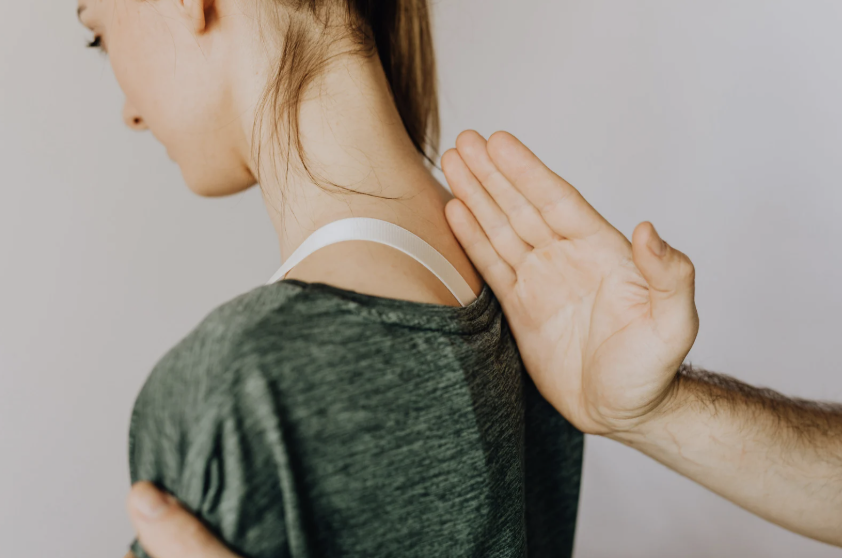
Bowen is a holistic remedial body technique that works on the mechanoreceptors and soft connective tissue (fascia) of the body. As a form of myofascial release, Bowen therapy is used to support the management of musculoskeletal or related neurological concerns, including acute sports injuries and chronic conditions. It is gentle, relaxing, and involves no forceful manipulation.
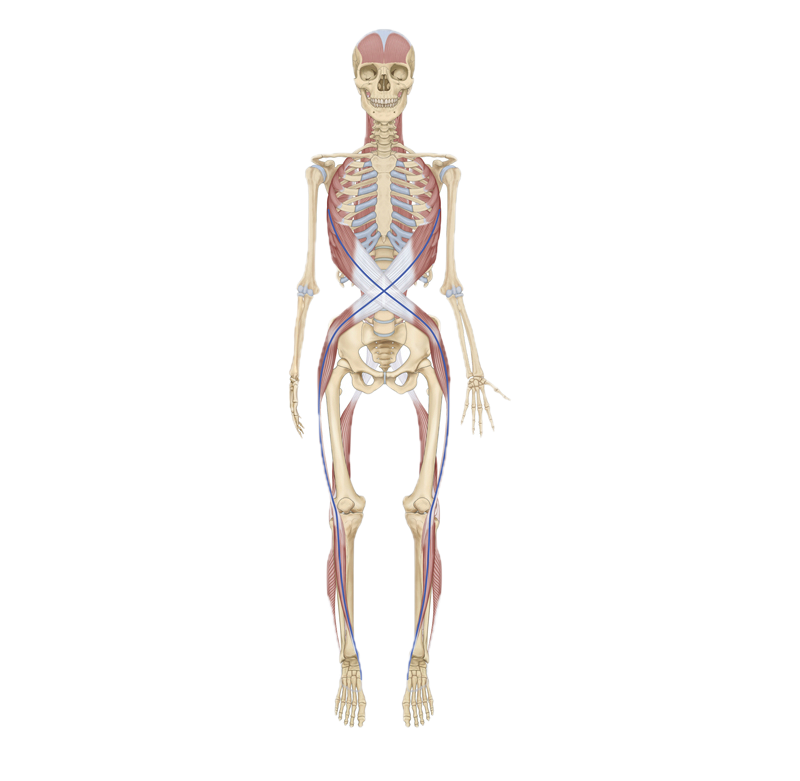
The technique focuses on the superficial and deep fascia—the connective tissue that envelops and influences every organ and tissue in the body. Precise, gentle moves are performed to stimulate the receptors of the nervous system, allowing the body to reset with minimal input.
What to expect from a session
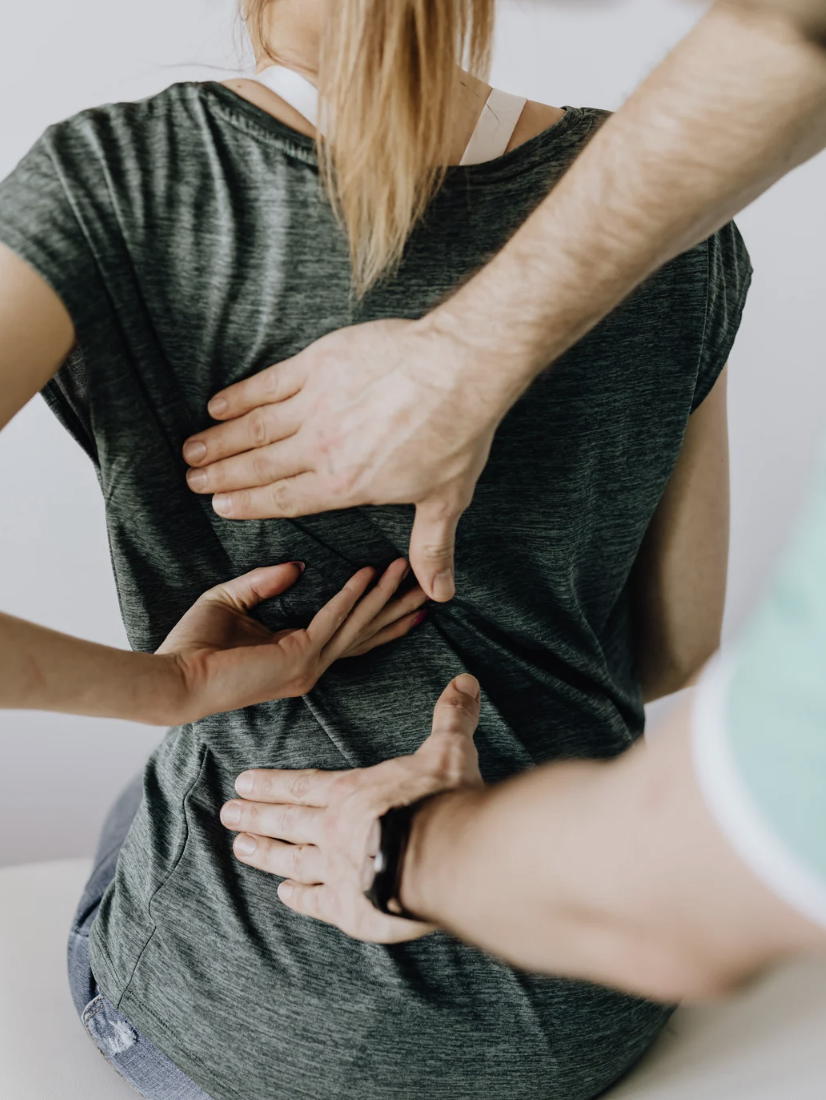
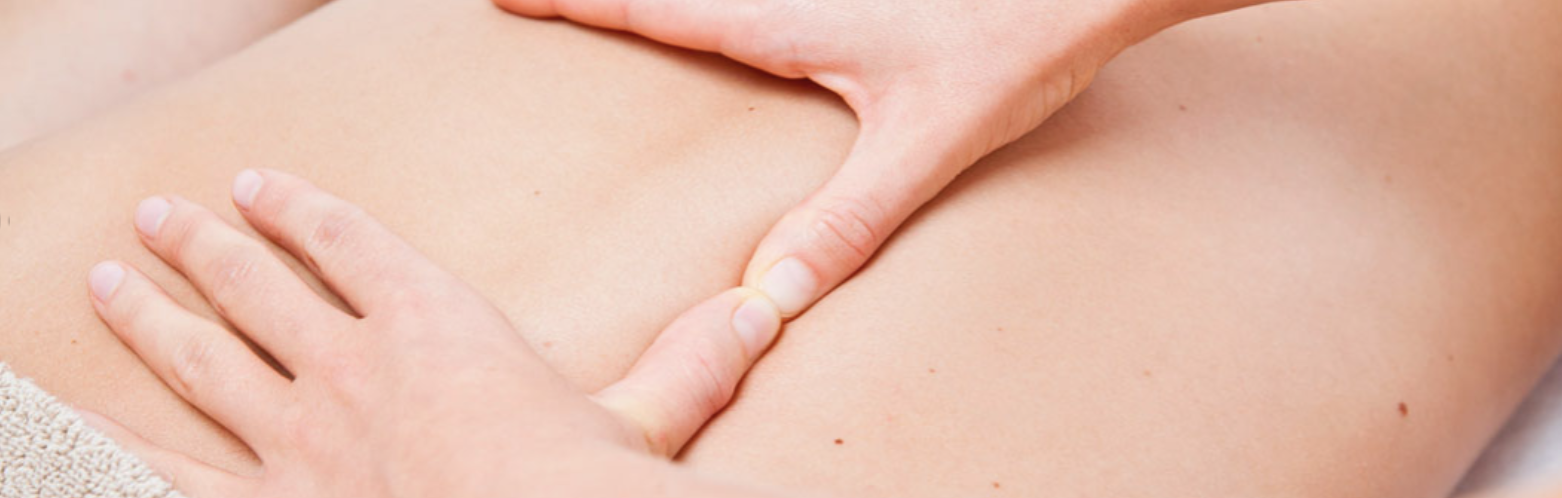
A Bowen session consists of sequences of small, cross-fibre manoeuvres of muscle, tendon, or ligament. A typical session lasts around one hour and can be performed through light clothing.
Between movement sequences, a wait period of 2-5 minutes allows the body to respond. These pauses are a fundamental part of the technique; they allow your body and nervous system time to process the signals and begin the necessary adjustments before the next sequence commences.
Bowen as a complimentary therapy
The Bowen technique is designed to activate the body’s own regulatory mechanisms, supporting its natural path toward balance.
While many clients experience relief after a single session, significant resolution often occurs within three treatments. For chronic or long-term conditions, many people find that regular Bowen sessions provide significant support as part of their broader continuing care plan (Better Health Victoria). Every body is different, and Bowen Therapy uses a holistic approach to move at the body’s pace.
Bowen Therapy aims to restore balance by influencing the Autonomic Nervous System (ANS). The goal is to shift the body from a sympathetic (fight, flight or freeze) state to a parasympathetic (rest, relax and repair) state. This shift is what facilitates the body's natural ability to regulate and recover (Oswald and Elaine Rensch, 2014).
After treatment care
Frequently asked questions
-
We are located 10kms out of Armidale at 52 Argyle Mining Vale Rd. Metz. The clinic is in a beautiful natural setting to enhance relaxation and the therapeutic experience.
-
Bowen Therapy can be performed through light clothing. If you wear heavy clothing, like jeans, you may need to undress to bra and underwear, but you will be covered with towels to maintain your privacy and keep you warm and comfortable for the treatment.
-
Unfortunately, Bowen Therapy is not currently on the government health care rebates list. You may be able to claim your treatment if you have an NDIS plan.
-
We don't diagnose conditions. Bowen Therapy and energy alignment therapies are considered complimentary therapies, safe to use alongside other medical treatments.
“Take care of your body, it’s the only place you have to live.”